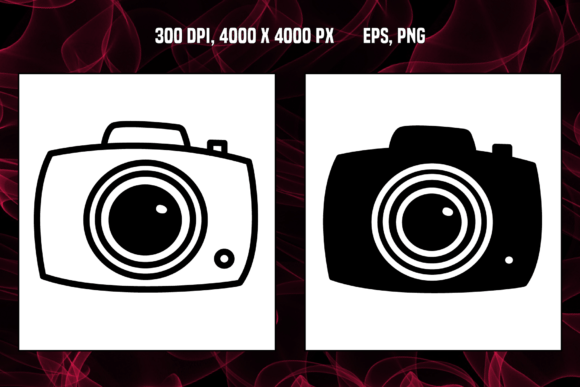
Camera Icon & Photographer Logo Design Assets
In the crowded digital landscape, visual identity is not merely an aesthetic choice; it is a functional necessity. For photographers, creative agencies, and visual storytellers, the Camera Icon. Photographer Logo serves as the cornerstone of brand recognition. It is the first handshake with a potential client, a silent ambassador that communicates professionalism, style, and intent before a single word is read. Understanding how to leverage high-quality design assets in this niche can transform a generic portfolio into a memorable brand experience.
The availability of premium vector design elements changes the game for creators who need speed without sacrificing quality. When you access a package containing transparent EPS and PNG files at 4000 x 4000 pixels, you are not just downloading an image; you are securing a scalable foundation for your business’s visual language. This level of resolution ensures that your branding remains crisp whether it is displayed on a mobile screen or printed on large-format marketing materials.
The Strategic Value of Vector-Based Branding
Many beginners make the critical mistake of relying on raster images for logo design. While a JPEG might look acceptable on a website header, it fails miserably when scaled up for a business card or a vehicle wrap. This is where the vector design elements included in professional packages become indispensable. Vector graphics are mathematically defined, meaning they can be resized infinitely without losing clarity or becoming pixelated.
For the modern entrepreneur or freelancer, this flexibility is crucial. You may start by using your Camera Icon. Photographer Logo on social media avatars, but as your business grows, you will need it for signage, merchandise, and press kits. Having the source file in EPS format allows you or your designer to manipulate colors, adjust proportions, and integrate the icon seamlessly into various layouts. The inclusion of transparent PNGs at such a high resolution (4000 x 4000 pixels) further simplifies web implementation, allowing for drop-shadow effects or overlay placements without the hassle of background removal.
Creative Applications Across Platforms
A well-designed camera icon is versatile. It transcends the traditional boundary of being just a logo mark. Here is how different professionals can adapt these assets for maximum impact:
- Web Design and UI Elements: Use the icon as a favicon, a loading spinner, or a decorative bullet point in service lists. The clean lines of a vector icon ensure it remains legible even at small sizes.
- Social Media Consistency: Create a cohesive look across Instagram, LinkedIn, and Pinterest. Use the logo as a watermark on your photographs to protect your intellectual property while subtly reinforcing your brand every time your image is shared.
- Print Collateral: From business cards to brochures, the high-resolution files ensure sharp printing. Consider using the icon in monochrome for a sophisticated, minimalist look on letterheads.
- Merchandise and Swag: If you attend trade shows or workshops, having a logo that scales well allows you to print it on tote bags, t-shirts, or camera straps without worrying about blurriness.
The key is consistency. By using the same core asset across all these touchpoints, you build trust. Clients begin to associate that specific shape and style with your reliability and artistic vision.
Tailoring the Icon to Your Niche
Not all photography brands are the same. A wedding photographer needs to convey romance and elegance, while a sports photographer needs to project energy and precision. The Camera Icon. Photographer Logo you choose should reflect these nuances. While the base design provides the structure, your application of color and context defines the personality.
For example, if you specialize in nature photography, consider pairing the camera icon with earthy tones like olive green or slate blue. Use the transparent PNG to overlay the icon on textured backgrounds that mimic paper or fabric, adding a tactile feel to your digital presence. Conversely, if you are a tech-focused product photographer, sleek blacks, whites, and metallic grays might better suit your aesthetic. The vector format allows you to experiment with these color palettes instantly, ensuring the icon aligns with your overall brand guidelines.
Practical Tips for Implementation
To get the most out of your design assets, keep these practical recommendations in mind:
- Maintain Clear Space: Always leave adequate padding around your logo. Crowding the Camera Icon. Photographer Logo with text or other graphics diminishes its impact and makes it harder to recognize.
- Check Contrast: Ensure your logo stands out against its background. If you are using a dark version of the icon, place it on a light background, and vice versa. The transparent PNGs make this easy to test across different website sections.
- Optimize for Web: While the source files are 4000 x 4000 pixels, always export web-specific versions at appropriate sizes to maintain fast loading times. Use SVG formats derived from the EPS files for the best balance of quality and performance on modern browsers.
- Stay Original: Even with a pre-made template, add your unique twist. Adjust the kerning of your accompanying text, or combine the icon with a custom tagline. This prevents your brand from looking generic.
Empowering Non-Designers
One of the greatest barriers for small business owners and freelancers is the perceived need for expensive design skills. High-quality, ready-to-use assets bridge this gap. You do not need to be a graphic designer to have a professional-looking brand. By utilizing a comprehensive ZIP file that includes both vector and raster formats, you empower yourself to handle minor updates and adaptations in-house.
This autonomy saves time and money. Instead of waiting days for a designer to send a new file format, you have the tools at your fingertips. Whether you are updating your email signature or creating a new presentation deck, the accessibility of these files supports a more agile and responsive business operation. It allows you to focus on what you do best—capturing moments and telling stories—while your visual identity works quietly in the background to support your growth.
Ultimately, the Camera Icon. Photographer Logo is more than a graphic; it is a tool for communication. When chosen and applied with intention, it clarifies your message, elevates your perceived value, and connects you with the right audience. Embrace the flexibility of vector design, respect the importance of high resolution, and let your visual identity reflect the quality of your work.